
Subscribe to get ongoing information about keeping your throwing arm healthy
Why This Newsletter Exists
Why This Newsletter Exists
Even pitchers who are highly disciplined and understand the importance of constant arm health monitoring tend to drift. They start strong, then let it slide — the same way so many young kids know to brush their teeth but will still skip nights here and there because it takes just a little bit more repeated effort. Small lapses, no visible cost at first, until it means fillings, then a root canal.
Every week, Dr. Andrisani and the LiVE ARM team break down what’s happening inside a pitcher’s arm that nobody — including the pitcher him or herself — can feel yet, and what to do about it while there’s still time.
The deceleration muscles are the “brakes” that stop a high velocity pitching arm each and every time it throws a pitch. Most pitchers never know that these muscles are deteriorating over the course of a season until it’s cost them something. That’s the gap this newsletter closes over and over again.
Free. Weekly. No fluff.
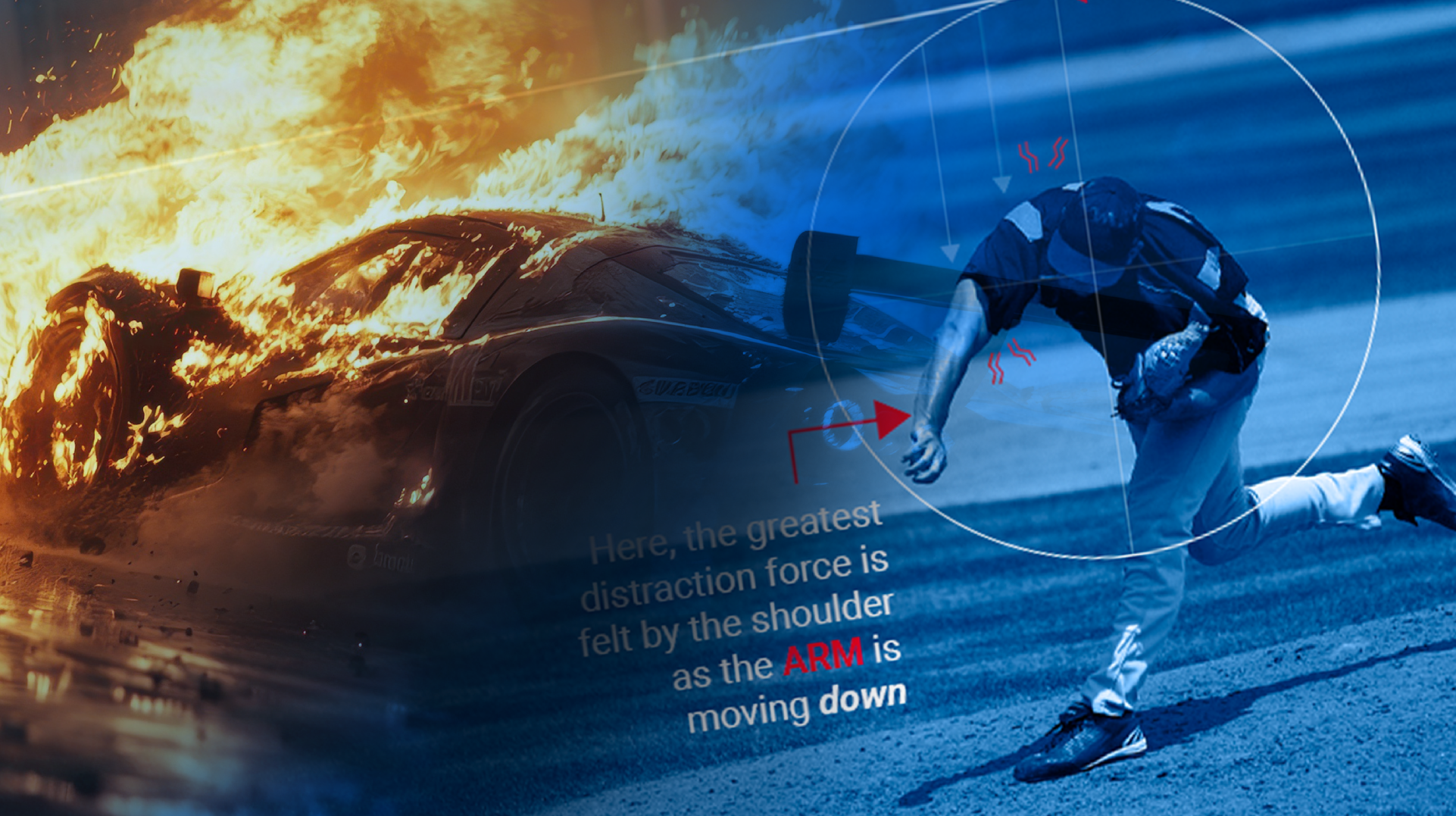
Arm health isn’t a one-time check. It has to be a habit.
A professional race car driver wouldn’t race a car with faulty brakes. Eventually the brakes will fail and the car will crash.
Weak deceleration muscles are a pitcher’s “faulty brakes”. These are the muscles that break down from the rigor of ongoing serious training and playing.
To work on velocity without monitoring these muscles is like racing a Ferrari around a track without ever monitoring the car’s breaks. A crash is inevitable. A horrible crash likely.
It’s unreasonable to expect to stop all injuries in competitive sports. But in baseball the number of pitching injuries are constantly disproportionate when compared to the rest of the players on the field.
At LiVE ARM we believe these injuries can be dramatically reduced. But the players, coaches, parents and organizations have to understand first what it takes and next what they need to do to change.